
ADVERTISEMENT
Recognizing High Blood Sugar: 7 Early Signs You Shouldn’t Ignore
High blood sugar—also known as hyperglycemia—often develops quietly. Many people experience early symptoms without realizing what their bodies are trying to tell them. While occasional blood sugar fluctuations can be normal, persistent high levels may signal prediabetes, diabetes, or another underlying condition that deserves attention.
Listening to your body can help you catch problems sooner. Here are seven early signs of high blood sugar you shouldn’t ignore.
1. Increased Thirst
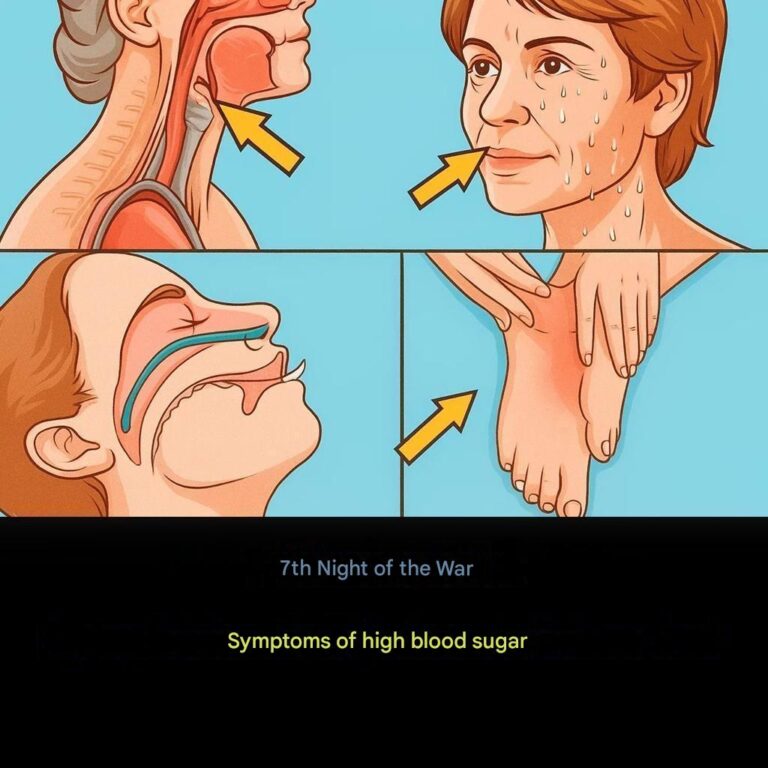
Feeling unusually thirsty—even after drinking plenty—can be one of the earliest signs of elevated blood sugar. When glucose builds up in the bloodstream, your body pulls fluid from cells to dilute it, leaving you dehydrated and craving more water.
2. Frequent Urination
If you find yourself making more bathroom trips than usual, especially at night, your body may be trying to flush out excess glucose through your urine. This often goes hand-in-hand with increased thirst.
3. Unexplained Fatigue
High blood sugar can prevent your cells from effectively using glucose for energy. As a result, you may feel unusually tired, sluggish, or mentally foggy—even if you slept well.
4. Blurred Vision
Shifts in blood sugar can affect the fluid levels in the lenses of your eyes, causing temporary blurriness. If your vision becomes soft or unfocused suddenly, it may be related to glucose fluctuations.
5. Increased Hunger
When your body can’t convert glucose into usable energy efficiently, your brain may think you’re starving—triggering hunger soon after eating. Constant cravings, especially for carbs or sweets, can be a red flag.
6. Slow-Healing Cuts or Frequent Infections
Elevated blood sugar can interfere with circulation and immune response. As a result, you might notice:
- cuts or sores healing slowly
- recurring skin infections
- frequent yeast or urinary tract infections
These are often overlooked early signs.
7. Tingling or Numbness in Hands and Feet
Over time, high blood sugar can affect nerve health. While this symptom usually comes later, some people experience mild tingling, “pins and needles,” or numbness early on—especially in the extremities.
Why These Signs Matter
Early recognition of high blood sugar can help prevent long-term complications. Many people discover they have prediabetes or diabetes only after months—or years—of subtle symptoms.
Paying attention now can make a major difference later.
When to Seek Medical Advice
If you notice several of these symptoms repeatedly, or if they worsen, it’s a good idea to speak with a healthcare professional. A simple blood test can check your glucose levels and help determine the next steps.
ADVERTISEMENT
