
ADVERTISEMENT
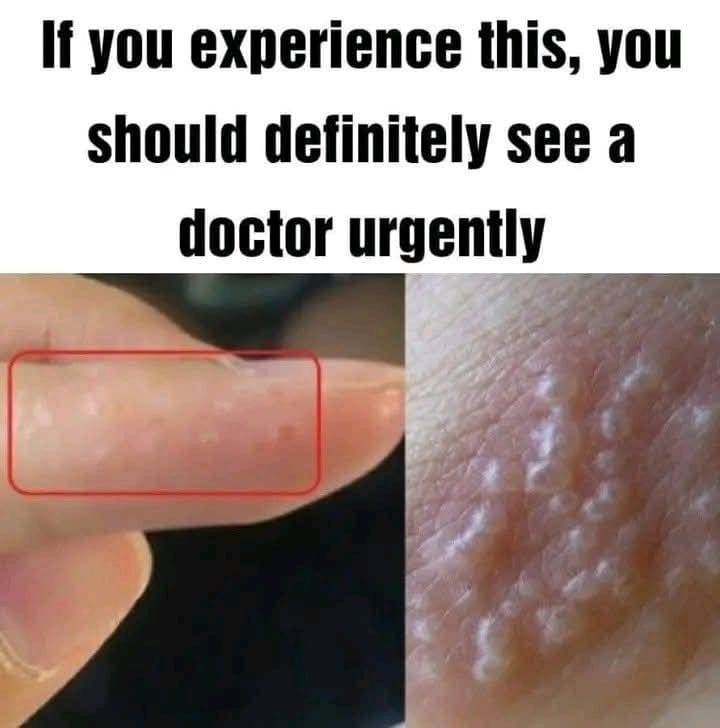
If you’re seeing these painful red swelling, it could be dishydrotic eczema
A type of skin disorder that people suffer from is dishydrotic eczema, which is common in the spring. Although this disorder cannot be cured, it can be managed and kept under control. Symptoms are small, itchy bubbles.
Eczema refers to a group of illnesses that causes inflammation of the skin, commonly known as dermatitis. According to the statistics, exema affects an estimated 35 million people in the United States alone. About seventy percent of these cases involve children under the age of five.
During a flare, the skin becomes red, itchy and swells with fluid-filled swelling, and these swelling can leak and peel. The most common triggers of eczema are allergic reactions, but they could also be genetics. Eczema is not contagious
As we mentioned before, one of the most common types of eczema is dishydrotic eczema.
Dishydrotic eczema (pompholyx) is a chronic, recurring skin discomfort that causes itching and is often seen symmetrically in the palms, fingers and soles of the feet. It is evident with small, deep-positioned vesicles in size 1-2 mm and heals after a few weeks with pulling.
There are some disagreements with exact terminology and definitions, but this is also referred to as pompholyx, acute and recurring vesicular hand dermatitis, acute palmoplantar eczema, vesicular endogen eczema, cheiropompholyx (when affecting the hands), podopompholyx or pedopompholyX (when affecting the feet) and cheiropodopompholyz.
ADVERTISEMENT
