
ADVERTISEMENT
Instructions:
Peel and thinly slice the red onion.
Place the slices in a bowl and drizzle olive oil and lemon juice on top.
Sprinkle with sea salt and black pepper, then toss well to coat evenly.
Add chopped parsley if desired for freshness and extra nutrients.
Let the mixture sit for 5 to 10 minutes to allow the flavors to blend.
Serve it as a refreshing side dish alongside grilled fish, lean meats, or roasted vegetables.
Usage Tip:
Try including this side dish with lunch or dinner several times a week. Eating it with other balanced foods—especially those high in fiber and protein—can help stabilize post-meal blood sugar levels.
Why This Recipe Works
Each ingredient in this simple recipe plays a unique role in promoting better health:
Red Onion: Packed with quercetin and sulfur compounds that may enhance insulin sensitivity and protect cells from oxidative damage.
Olive Oil: Provides healthy fats that slow down glucose absorption and promote heart health.
Lemon Juice: Adds vitamin C and helps support liver detoxification and antioxidant defense.
Parsley: A natural source of vitamin K, vitamin C, and folate, supporting circulation and overall well-being.
This combination creates a dish that is not only flavorful but also beneficial for your metabolism and long-term health.
Additional Tips for Best Results
Choose Fresh, Raw Onions When Possible
Raw onions tend to retain more beneficial compounds than cooked or fried versions. If you prefer a milder taste, soak sliced onions briefly in cold water before preparing your dish.
Pair with Low-Glycemic Foods
Combine red onion with foods that have a low glycemic index—such as lentils, leafy greens, and whole grains—to promote stable blood sugar levels throughout the day.
Maintain a Balanced Lifestyle
Nutrition works best when paired with other healthy habits. Regular physical activity, adequate sleep, stress management, and portion control all play vital roles in regulating glucose metabolism.
Monitor Your Progress
If you have diabetes or prediabetes, keep track of your blood sugar readings as you add red onion to your diet. Always consult your healthcare provider before making significant dietary changes, especially if you are on medication.
Stay Consistent
Small, steady changes create lasting results. Incorporating red onions a few times each week can contribute to long-term wellness without requiring drastic shifts in your eating habits.
Beyond Blood Sugar: Other Benefits of Red Onion
Red onions do more than help with glucose balance. Their nutrients contribute to a range of additional health benefits:
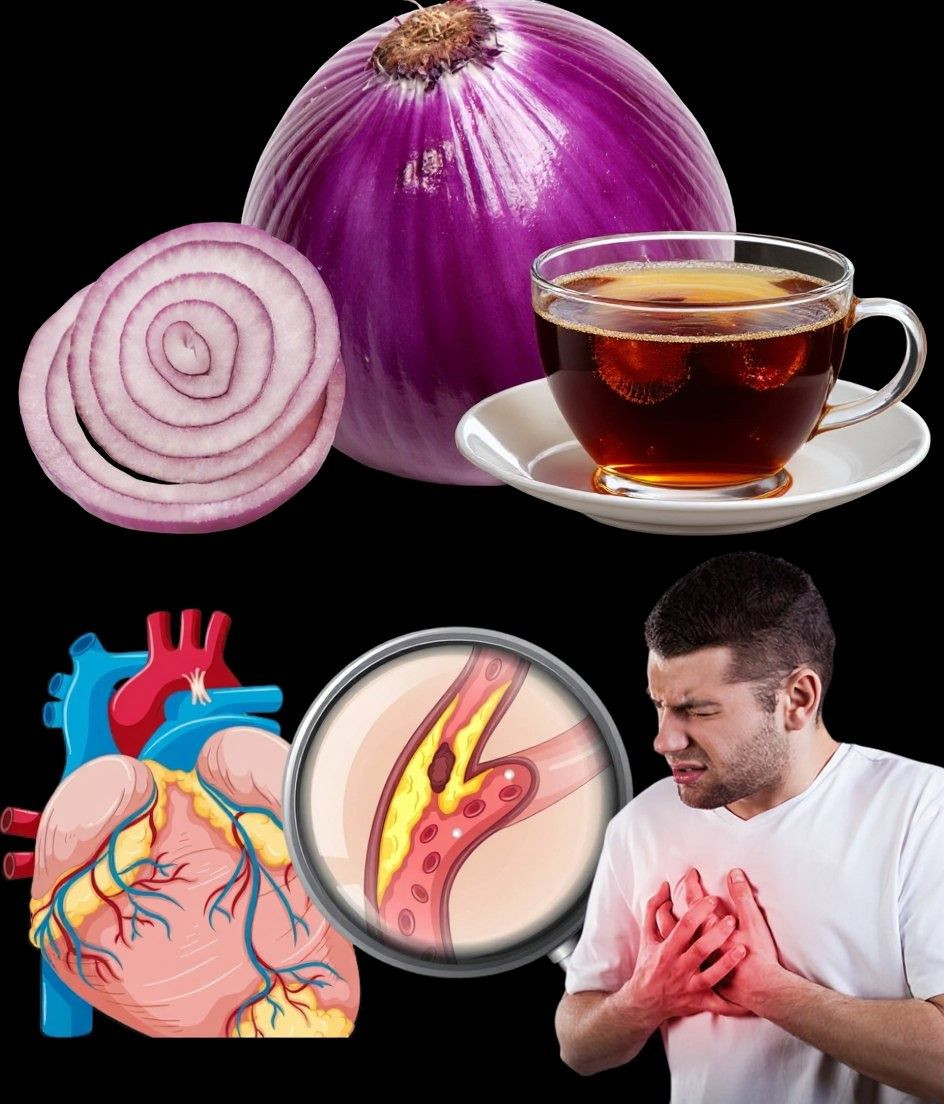
Heart Health: Quercetin and sulfur compounds may help lower cholesterol and support blood vessel health.
Immune Support: The antioxidants in onions can strengthen the immune system and protect against environmental stressors.
Digestive Health: Onions contain prebiotics that feed healthy gut bacteria, improving digestion and nutrient absorption.
Skin and Hair: The vitamins and minerals in red onions, such as vitamin C and sulfur, support collagen production and skin repair.
Adding this single ingredient to your routine can have a ripple effect on your overall vitality.
Final Thoughts
The red onion is far more than a kitchen staple—it’s a natural source of powerful nutrients that can help support healthy blood sugar and overall metabolic balance. By making small, consistent choices—like enjoying the simple recipe above—you can take meaningful steps toward better well-being.
Remember, food is not a replacement for medical care, but it can be a powerful tool for prevention and support. Combine this approach with regular checkups, physical activity, and mindful eating for the best results.
So next time you slice into a red onion, think beyond the flavor—it’s a little piece of nature’s medicine cabinet, offering you both taste and health in every bite.
Disclaimer: This article is for informational and educational purposes only and does not provide medical advice. Always consult a qualified healthcare professional before making any changes to your diet, especially if you have diabetes, prediabetes, or other medical conditions.
ADVERTISEMENT
