
ADVERTISEMENT
Imagine using something as ordinary as your bathroom visit to gain clues about your well-being. No blood tests. No expensive scans. Just a quick glance that could raise important questions. Intrigued? Stay with me, because once you learn how to “decode” the shades, you might never look at your pee the same way again.
Why Paying Attention to Urine Matters
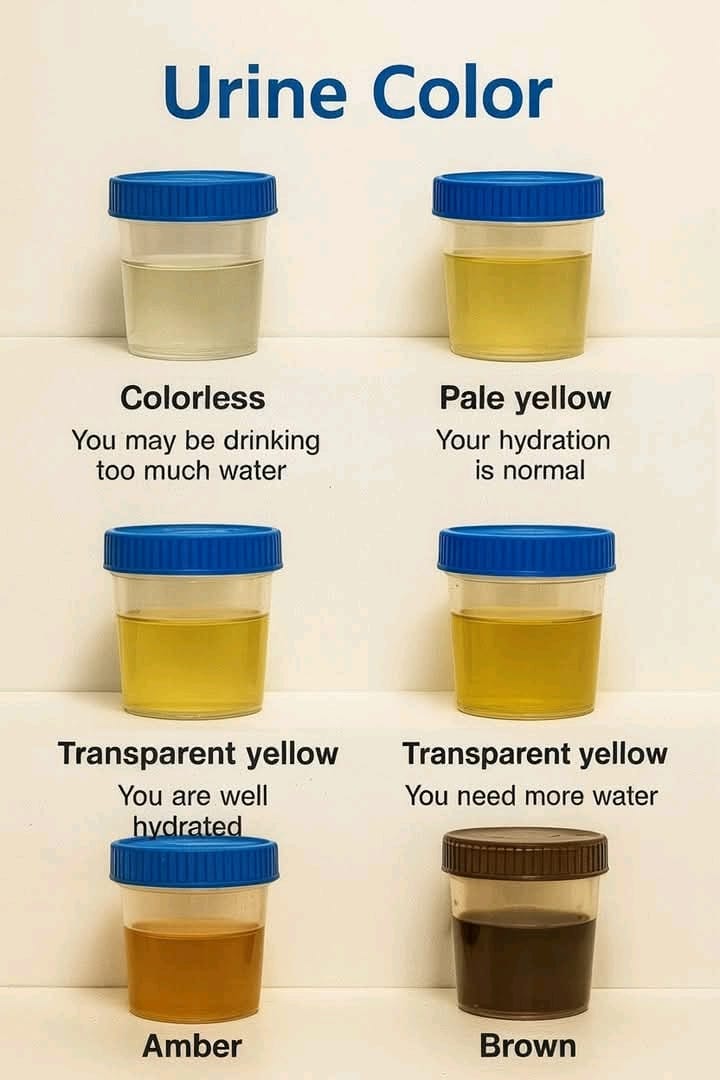
Urine isn’t just waste—it’s a complex fluid your body produces to filter out toxins, balance electrolytes, and manage hydration. The color is influenced by water intake, food, vitamins, and sometimes hidden health issues. Ignoring it can mean overlooking subtle signs your body is sending.
But here’s the problem: many people either laugh it off or dismiss urine color as random. This casual neglect can sometimes delay early warning signals. Why is it that something so visible is often so misunderstood?
The Science Behind the Shades
Normal urine color comes from urochrome, a pigment produced when your body breaks down hemoglobin. Depending on how diluted or concentrated your urine is, the shade may shift from pale straw to deep amber. But hydration isn’t the only factor—foods, medications, and health conditions can all change what you see.
And here’s the catch: while many changes are harmless, others may be worth discussing with a healthcare professional. Which category does your pee fall into? Let’s explore step by step.
ADVERTISEMENT
