
ADVERTISEMENT
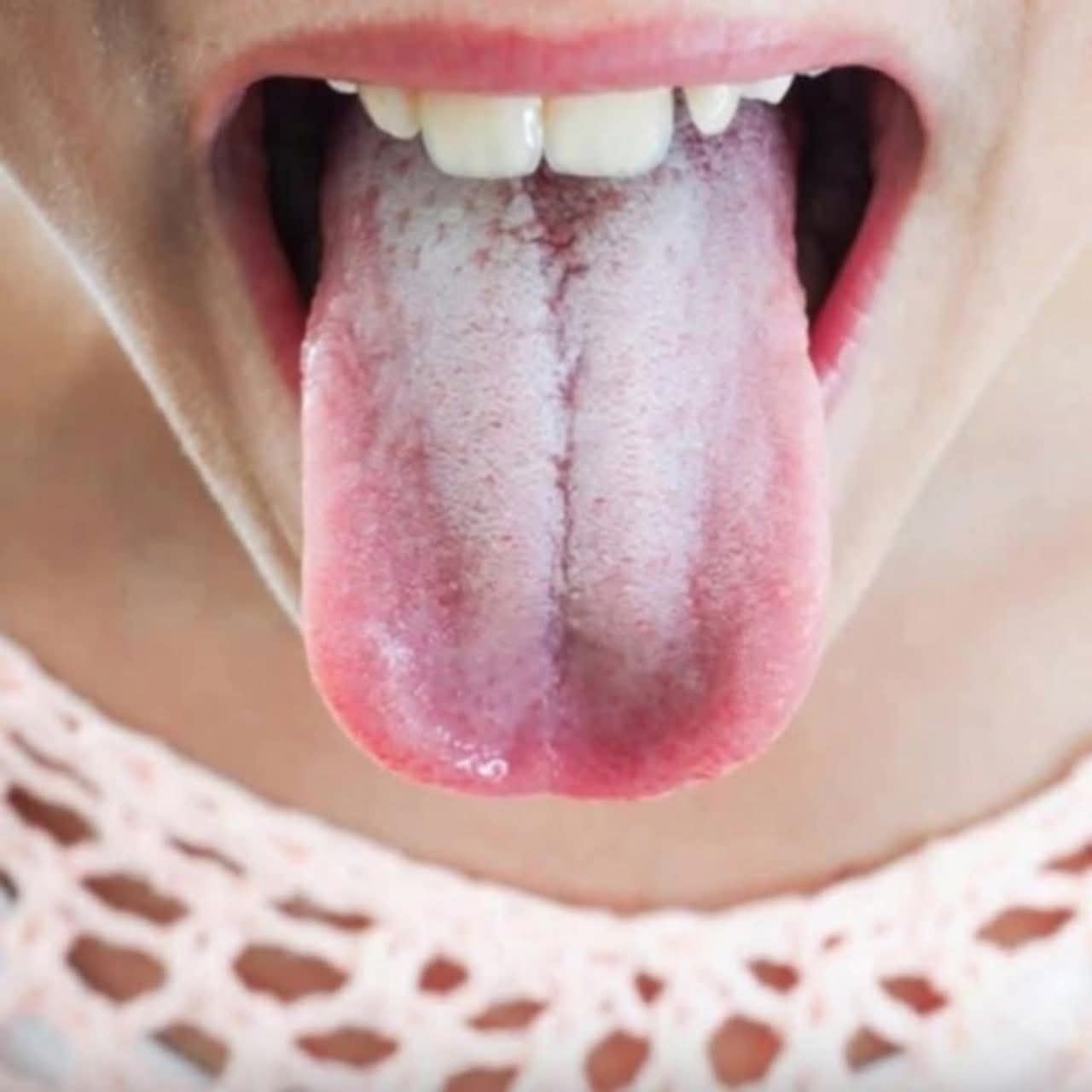
One of the clearest signals of the body’s hydration level is the tongue. When you’re well hydrated, the tongue appears pink, moist, and clean. But when the body is low on fluids, saliva production decreases.
With less saliva, the tongue becomes dry and coated, often appearing white.
Common signs of dehydration include:
-
Dry mouth
-
Fatigue
-
Dark urine
-
A sticky feeling on the tongue
Drinking more water throughout the day often helps restore the tongue’s normal appearance.
3. It May Indicate Imbalance in the Digestive System
In traditional wellness practices, the tongue is seen as a map of the digestive tract. While this is not a medical diagnosis, many people notice that a white tongue appears when digestion is slow, sluggish, or overworked.
This may happen after:
-
Eating heavy meals
-
Consuming too much sugar
-
Eating large amounts of processed foods
-
Sleeping immediately after eating
People who improve their diet—adding more fruits, vegetables, and water—often see the tongue return to a healthier pink color.
4. A White Tongue Can Appear When the Immune System Is Tired
When the body is fighting something minor—like seasonal changes, a mild cold, or even fatigue—the tongue may show a pale coating. This is because the immune system affects saliva, digestion, and energy levels, all of which influence the tongue.
Many people notice their tongue turning paler when they feel run-down, stressed, or haven’t slept enough.
It’s the body’s way of signaling:
“Slow down. I need rest.”
5. Certain Lifestyle Habits Make the Tongue Turn White
ADVERTISEMENT
ADVERTISEMENT
