
ADVERTISEMENT
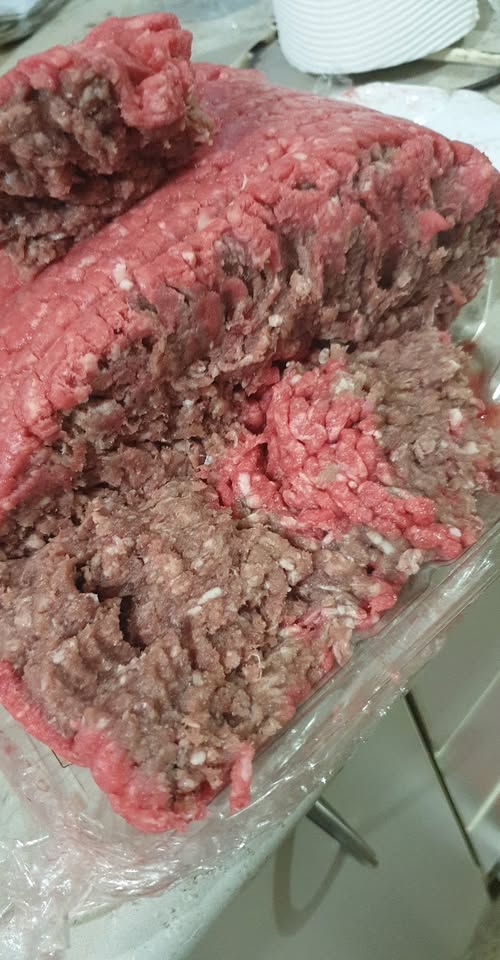
Consumers sometimes consider the bright red colour of minced meat to be a sign of ‘freshness’ and are concerned when they find the meat is a brown-grey colour under the red surface.
Fresh minced meat can go through a number of colour changes during its shelf life. This occurs naturally, and a brown colour just under the surface does not mean that the meat is old, stale or unsafe to eat.
Oxygen exposure changes meat colour
All meat naturally contains a pigment called myoglobin, which is the purple colour in freshly cut meat. The colour of minced meat comes from two types of myoglobin – oxymyoglobin and metmyoglobin.
When myoglobin comes in contact with oxygen, it forms oxymyoglobin, which has the bright, red colour of beef. After several hours or days of exposure, the oxymoyoglobin can convert to metmyoglobin, which has a brown-grey colour.
When the meat is exposed to air during the mincing process, oxymyoglobin is formed, with its bright red colour.
Most fresh meat sold in supermarkets is packaged in a clear film that allows oxygen to pass through it. As a result, there is plenty of oxygen available to maintain the bright red colour on the surface of the meat. However, beneath the surface and on the bottom of the meat, where there is less exposure to oxygen, the colour is much less red and may be brown-grey.
Minced meat is more likely to change colour than other whole cuts of meat because of its larger surface area.
When brown-grey coloured meat is allowed to come in contact with oxygen, it will usually ‘bloom’ to the bright red colour.
Store mince correctly
ADVERTISEMENT
