
ADVERTISEMENT
Voices in Support of Tipping
Others defended the practice, highlighting the challenges faced by service workers. A former server explained that they often had to pay a percentage of sales back to the restaurant, making tips essential to their income. Some suggested that firsthand experience in service work might shift perspectives on tipping.
The Historical Context
Tipping originally came from Europe and was initially viewed as “un-American.” Over time, it became a way for employers to underpay certain workers, particularly people of color. Today, some European countries include service charges in bills, ensuring employees earn fair wages without relying on tips.
A Modern Dilemma
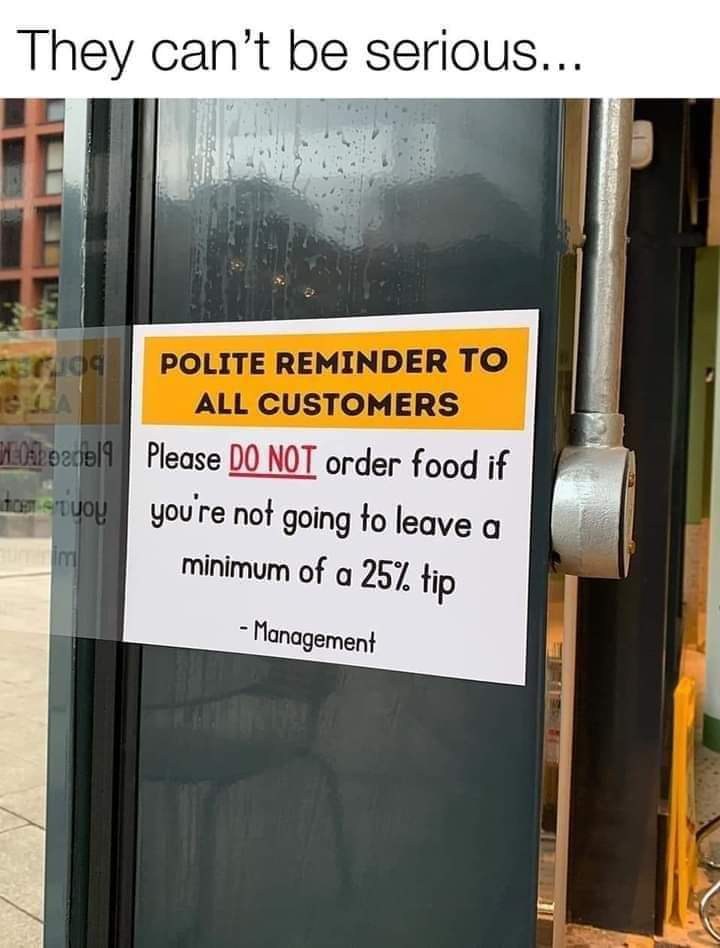
The tipping debate continues. Instances of delivery drivers canceling orders over lack of tips, repeated prompts for tipping, and reconsideration of tipping for home-based services all highlight the tension between customer expectations and worker compensation.
As tipping norms evolve, the question remains: Should tipping reward excellence, or should fair wages make it unnecessary?
You’ve just read,Man’s 25% Tip Refusal Sparks Debate Over Tipping Culture .
ADVERTISEMENT
