
ADVERTISEMENT
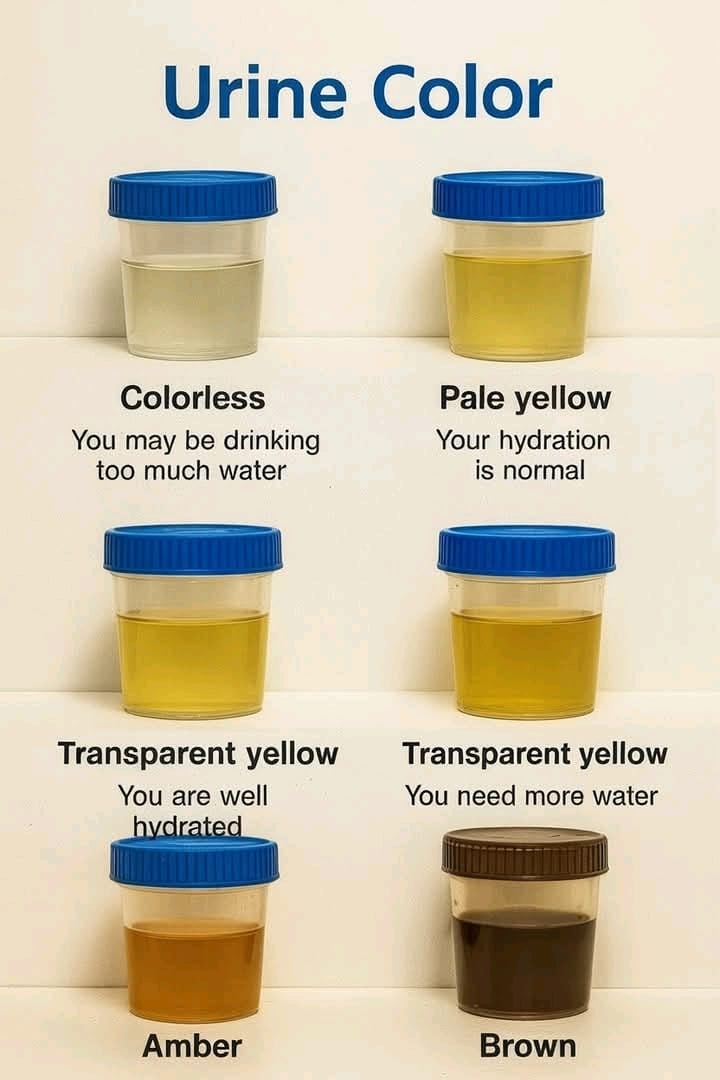
Comparing Common Urine Colors
| Color | Possible Meaning | When to Pay Attention |
|---|---|---|
| Clear | High hydration, maybe too much | Consider reducing water if excessive |
| Pale yellow | Balanced hydration | Generally healthy
Buy vitamins and supplements
|
| Dark yellow/amber | Dehydration | Drink fluids |
| Orange | Medications, food, liver concerns | If persistent, check with provider |
| Pink/red | Food (beets), blood presence possible | If unexplained, seek medical input |
| Blue/green | Dyes, meds, rare infections | If lasting, get checked |
| Brown
Groceries
|
Foods, meds, liver or kidney issues | If ongoing, consult a doctor |
How to Responsibly Use This “Color Guide”
So how should you act when you notice changes?
-
- Check your diet: Did you eat something colorful?
- Review supplements or medications: Some naturally alter urine.
- Track hydration: Are you drinking enough—or too much?
- Notice duration: One-time changes may be normal, but persistent changes deserve attention.
The key isn’t to panic but to pay attention. Your body often gives gentle nudges before louder alarms.
Case Study: The Subtle Clues
Linda, 59, always thought her dark yellow pee was “normal.” She brushed it off until lightheadedness struck. After talking with her doctor, she discovered chronic dehydration was stressing her kidneys. Small daily shifts in water intake made a world of difference.
It wasn’t dramatic. It wasn’t expensive. It was simply noticing.
ADVERTISEMENT
