
ADVERTISEMENT
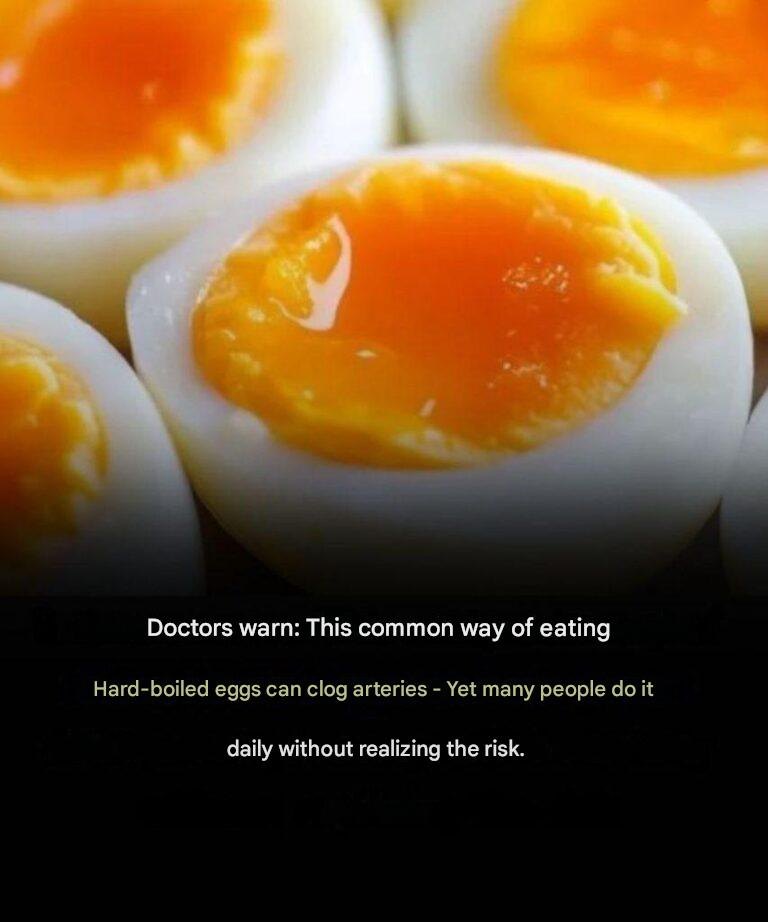
Eggs are a nutritional powerhouse, packed with high-quality protein, vitamins, and minerals. However, for years, they have been at the center of a health debate due to their cholesterol content. While current research has largely dispelled the myth that eggs are universally bad for the heart, experts agree that context is everything. The way you consume them, and your personal health profile, can make a significant difference.
Understanding the Cholesterol Concern
The primary concern with egg yolks is their dietary cholesterol content. For some individuals, particularly those with certain health conditions, a high intake of dietary cholesterol can contribute to raised blood cholesterol levels, a risk factor for atherosclerosis (the hardening and narrowing of arteries).
-
A Nuanced View: Professor David Spence has pointed out that the compound phosphatidylcholine in egg yolks can be converted by gut bacteria into a substance that may promote arterial plaque buildup, especially in at-risk individuals.
-
What the Research Shows: Some observational studies, including one in the BMJ, have found a correlation between higher egg consumption and an increased risk of heart disease, particularly in people with pre-existing conditions like type 2 diabetes. However, it’s important to note that these studies show association, not direct causation.
Who Should Be More Mindful of Egg Intake?
For the general healthy population, moderate egg consumption (typically up to one egg per day) is not linked to an increased risk of heart disease. However, the following groups should be more cautious and consult with their doctor or a dietitian:
-
Individuals with Heart Disease or High Cholesterol: Those already managing these conditions may be advised to limit dietary cholesterol.
-
People with Type 2 Diabetes: Some research suggests that high egg consumption may be linked to an increased cardiovascular risk in this group.
-
Those at High Risk for Blood Clots or Atherosclerosis: Experts like those at the Cleveland Clinic may recommend stricter limits for these individuals.
Practical Tips for a Heart-Healthy Approach to Eggs
continued on the next page
ADVERTISEMENT
